Child Development · Autism
Signs of Autism in Toddlers Under 2 — Early Detection Checklist
⚠️ Important note
This checklist is an educational tool — it cannot diagnose autism. Many of the signs listed can have other explanations, and their significance depends on the full developmental picture. If you have concerns about your child's development, please consult a qualified healthcare professional.
Research is clear: early identification of autism — ideally before age 2 — leads to dramatically better outcomes. Early intervention during the most plastic period of brain development can change a child's trajectory in ways that later support simply cannot replicate.
Yet the average age of autism diagnosis remains 4–5 years in most countries. The gap between when signs appear and when families receive support represents missed opportunity. This guide gives you a practical, age-specific checklist of what to watch for — and equally important, what to do about it.
Why early detection matters
The brain's neuroplasticity — its ability to form new connections — is highest in the first three years of life. Therapeutic support during this window can help the brain build pathways for communication, social connection, and learning that become harder to establish later. "Wait and see" has a measurable cost.
Age-by-age checklist
Check the items you've noticed. This is for your own awareness — not a diagnostic tool.
🚩 Act immediately if you notice:
- ⚠Any loss of previously acquired language skills — even a few words
- ⚠Any loss of social skills your child previously had
- ⚠No babbling by 12 months
- ⚠No single words by 16 months
- ⚠No 2-word phrases by 24 months
Regression (losing skills) is never "normal." Contact your pediatrician the same day.
Signs that are usually NOT autism
The internet makes it easy to catastrophize. Before you go down that path, here's what these signs don't necessarily mean:
Being shy or quiet
Introversion and quietness are personality traits, not autism. Children with autism have specific patterns of social communication difficulties — not just shyness.
Late talking alone
Speech delay has many causes — hearing loss, bilingual environments, motor difficulties. Late talking without other social communication differences rarely points to autism.
High energy or "difficult" behavior
Active, impulsive, or stubborn behavior is common in toddlers. Autism is about social communication patterns, not energy levels or temperament.
Liking routines
Many children (and adults) find comfort in predictability. The autism-related sign is intense distress and inflexibility around very minor changes.
Sensory sensitivity
Disliking loud noises or certain textures is common. Combined with social communication differences it may be relevant — alone, it usually isn't.
Screen preference
Many toddlers prefer screens over social interaction — that is a parenting and media challenge, not an autism sign on its own.
What to do if you're concerned
Document what you observe
Write down specific behaviors with dates. "Didn't respond to name 3 times this week" is far more useful to a clinician than "seems like something's off." Video clips are extremely valuable.
Talk to your pediatrician
Share your documented observations. Ask specifically for a developmental screening (M-CHAT-R is the standard tool for toddlers). If your doctor dismisses concerns without screening, it's okay to push for a referral.
Request a comprehensive evaluation
A developmental pediatrician, child psychologist, or multidisciplinary team can provide a formal assessment. Waiting lists can be long — get on the list while continuing step 4.
Start early intervention — don't wait for a diagnosis
In most countries, children can access speech therapy and developmental support based on observed delays, not a formal autism diagnosis. A diagnosis helps access specific programs, but therapy can and should start sooner.
Types of support available
Speech-Language Therapy
Builds communication — from pre-verbal skills (eye contact, turn-taking, gestures) to expressive language. Often the first support recommended.
Occupational Therapy
Addresses sensory processing, fine motor skills, and daily living skills. Helps children regulate their sensory environment and participate in everyday activities.
ABA Therapy
Applied Behavior Analysis breaks down skills into small steps using positive reinforcement. Evidence base is strong; quality varies significantly by provider.
Parent-Mediated Therapy
Programs like ESDM and Hanen train parents to embed therapeutic strategies into daily routines. Research shows parent involvement dramatically improves outcomes.
MIO — Speech games for kids
Developed with certified speech therapists, MIO turns tongue exercises, sound recognition, and word repetition into fun interactive games for children aged 1–7.
Download on App StoreFrequently asked questions
More from the MIO blog
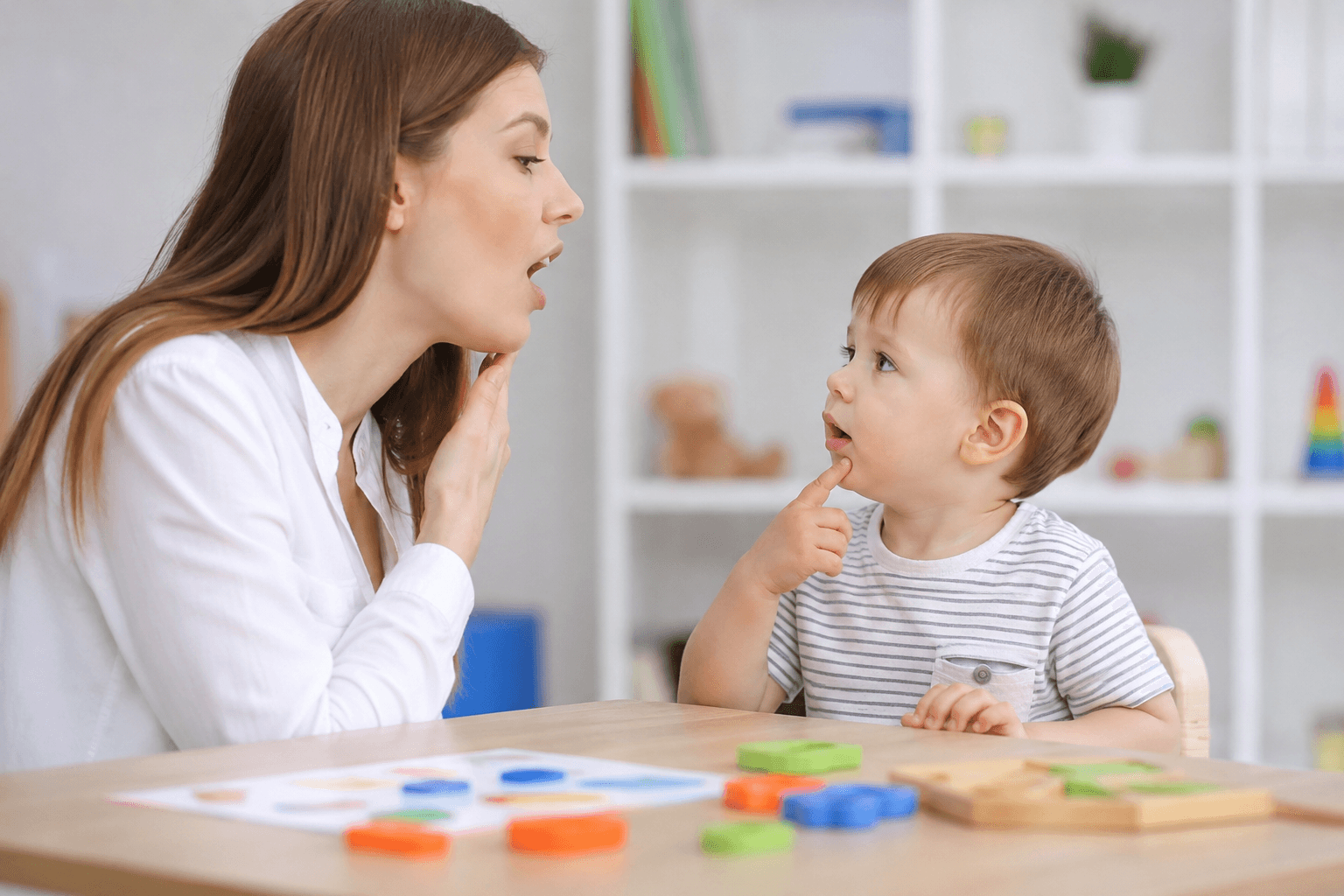
Child not talking at 2
Signs, causes & exercises
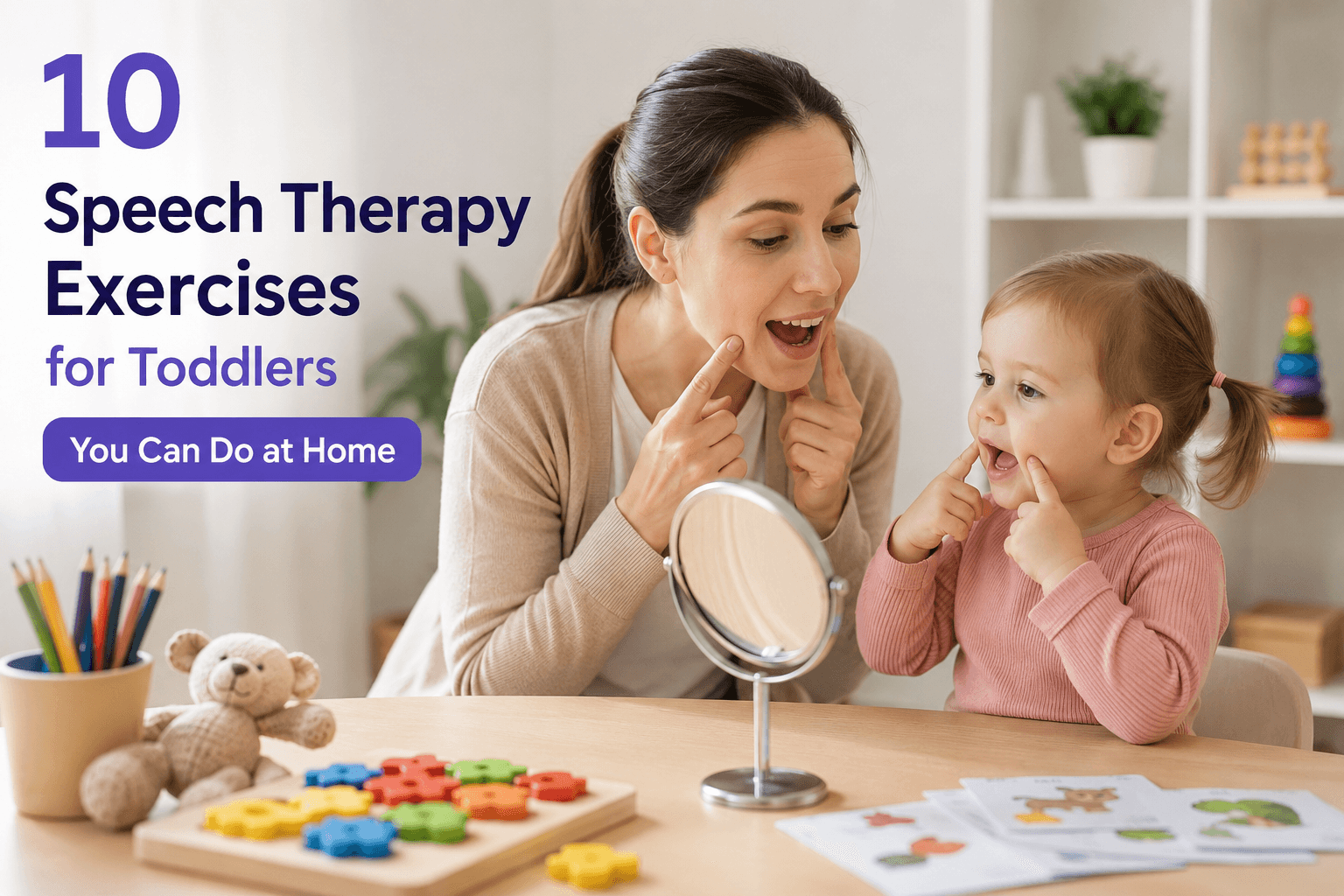
10 speech exercises at home
For ages 1–5
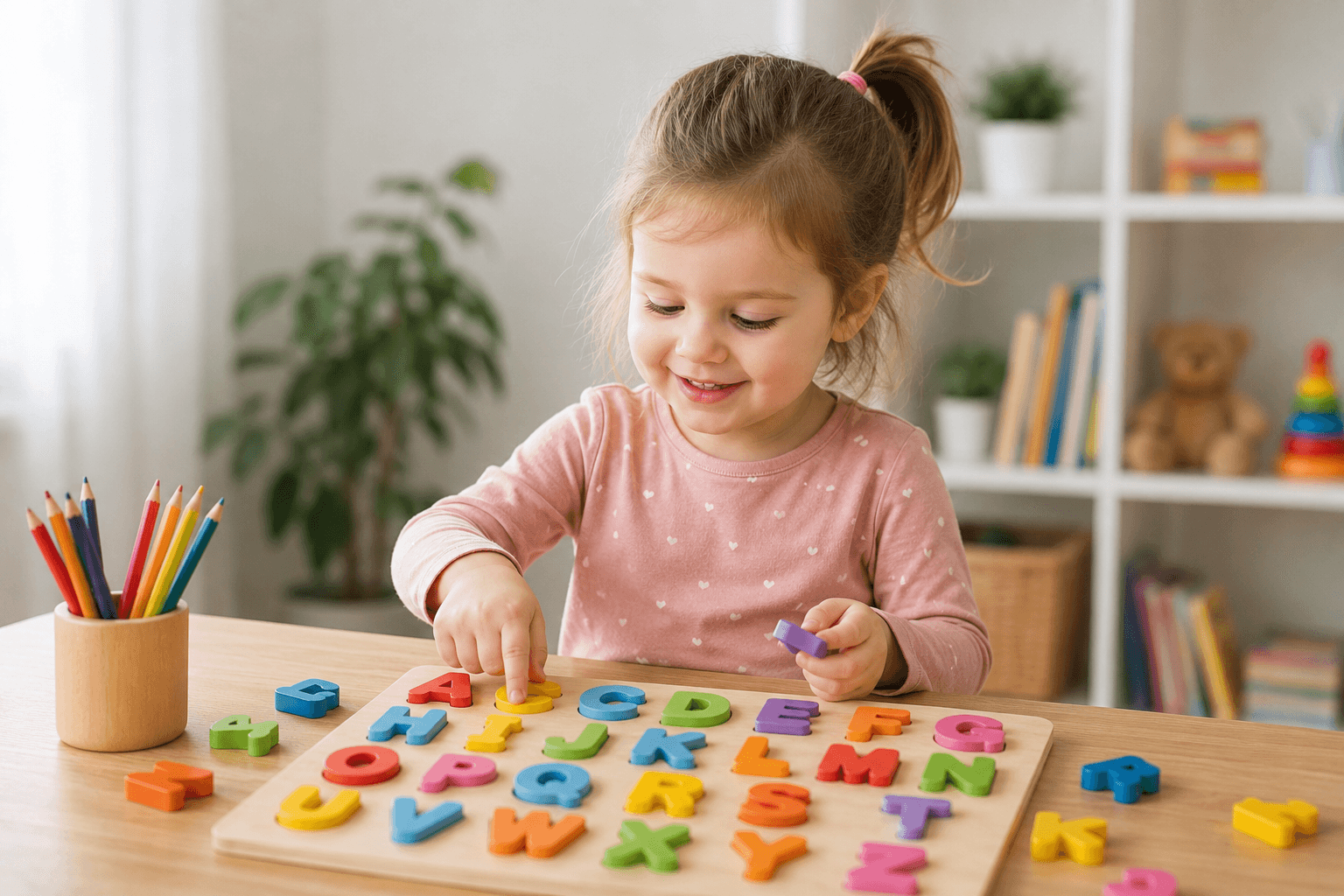
How to teach the alphabet
7 methods that work

Best educational apps 2024
Tested by parents
MIO Speech Therapy Team
Written by certified speech-language pathologists with experience in early autism intervention, AAC, and parent coaching. All content is reviewed for clinical accuracy.