My Child Is Not Talking at 2 — What to Do?
What should a 2-year-old be saying? (Normal milestones)
Every child develops at their own pace, but there are widely accepted milestones that help identify when support may be needed.
| Age | Vocabulary | Skills | Status |
|---|---|---|---|
| 12 months | 1–5 words | Says mama, dada. Understands simple words. Points at objects. | Normal |
| 18 months | 10–20 words | Points to show interest. Tries to repeat words. | Normal |
| 2 years | 50+ words | Combines 2 words: more milk, daddy go, big dog. | Normal |
| 2 years | Under 50 words | Does not combine words. Limited pointing. | See a speech therapist |
| 2 years | Under 20 words | Does not respond to name. Does not understand simple requests. | Urgent consultation needed |
12 months · 1–5 words
Says mama, dada. Understands simple words. Points at objects.
Normal
18 months · 10–20 words
Points to show interest. Tries to repeat words.
Normal
2 years · 50+ words
Combines 2 words: more milk, daddy go, big dog.
Normal
2 years · Under 50 words
Does not combine words. Limited pointing.
See a speech therapist
2 years · Under 20 words
Does not respond to name. Does not understand simple requests.
Urgent consultation needed
Active vs passive vocabulary
A child's passive vocabulary (words they understand) is always much larger than their active vocabulary (words they say). A child who says few words but clearly understands instructions is in a very different situation from one who does not understand either.
Warning signs vs normal variation
- Understands what you say
- Points to show you things
- Tries to communicate with gestures
- Responds when you call their name
- Plays with you and other children
- Has some words or own language
- Makes eye contact
- Does not respond to their name
- Never points at objects
- Avoids eye contact
- Lost words they used to say
- Makes no attempt to communicate
- Does not understand simple requests
- Prefers to be alone over playing
Regression is a red flag
If your child previously had words and then stopped saying them — this is not a normal phase. It is called language regression and requires immediate evaluation by a paediatrician or speech therapist.
Why might a toddler not be talking at 2?
1. Late bloomer (most common)
Many children simply develop on a slightly slower timeline — particularly boys, who on average start talking about 1–2 months later than girls. Late talkers who have no other developmental concerns often catch up rapidly between ages 2.5 and 3. However, research shows that even late bloomers benefit from early speech support.
2. Limited language exposure
Children learn to talk by hearing language in real interactions. If a child spends many hours watching screens passively rather than engaging in conversation, this can slow language development significantly. The key word is interaction — a child needs someone responding to them, not just talking at them.
3. Hearing loss
Even mild, partial hearing loss can meaningfully delay speech development. This is often the first thing a doctor will check. If your child's hearing has not been formally tested recently, arrange an audiogram — it is quick, painless, and rules out one of the most treatable causes.
4. Bilingual environment
Children raised hearing two languages simultaneously may start speaking slightly later but are NOT experiencing a delay — they are processing two complete language systems at once. By age 3–4, bilingual children catch up completely and have a significant long-term cognitive advantage.
5. Neurological or developmental differences
Speech delay can be associated with conditions including autism spectrum disorder, childhood apraxia of speech, dysarthria, and general developmental delays. These require professional diagnosis — do not try to self-diagnose, but equally do not wait if you have concerns.
MIO — Speech games for kids
Developed with certified speech therapists, MIO turns tongue exercises, sound recognition, and word repetition into fun interactive games for children aged 1–7.
Download on App Store8 exercises to help your child talk — starting today
These techniques are recommended by speech-language pathologists for children aged 1.5–3 years. They do not replace professional therapy, but research consistently shows that parent-led daily practice is one of the strongest predictors of language outcomes.
Therapist tip
The most important rule: do not speak for your child. If they want something, give them time to try asking — even if it is just a sound or a gesture. Anticipating their needs without giving them a chance to communicate actually reduces their motivation to talk.
When should you see a speech therapist?
- At 2 years old, fewer than 50 words
- No two-word combinations by 2.5 years
- Does not understand simple two-step instructions
- Lost words or sounds they previously used
- Does not respond to their name or make eye contact
- You feel something is off — trust your instinct
Early intervention (before age 3) is significantly more effective than waiting. Speech therapy at 2 is not a sign something is badly wrong — it is an investment in your child's future.
Online vs in-person therapy
Online speech therapy sessions are now proven to be effective for children aged 2.5 and older. For younger children, in-person therapy is usually preferred. Even a single consultation is better than none.
How MIO helps with speech development
MIO is a mobile learning app developed in partnership with certified speech-language therapists. It turns the exercises that speech therapists recommend — sound imitation, word repetition, articulation practice — into engaging interactive games for children aged 1 to 7.
- Animal sound recognition games
- Articulation exercises
- Word and phrase repetition
- Letter and sound learning
- Facial movement recognition
- 100+ levels and activities
- Speech delay (general)
- Children with autism
- Apraxia prevention
- Dyslexia prevention
- Learning English as second language
- General development ages 1–7
MIO — Speech games for kids
Developed with certified speech therapists, MIO turns tongue exercises, sound recognition, and word repetition into fun interactive games for children aged 1–7.
Download on App StoreFrequently asked questions
More from the MIO blog
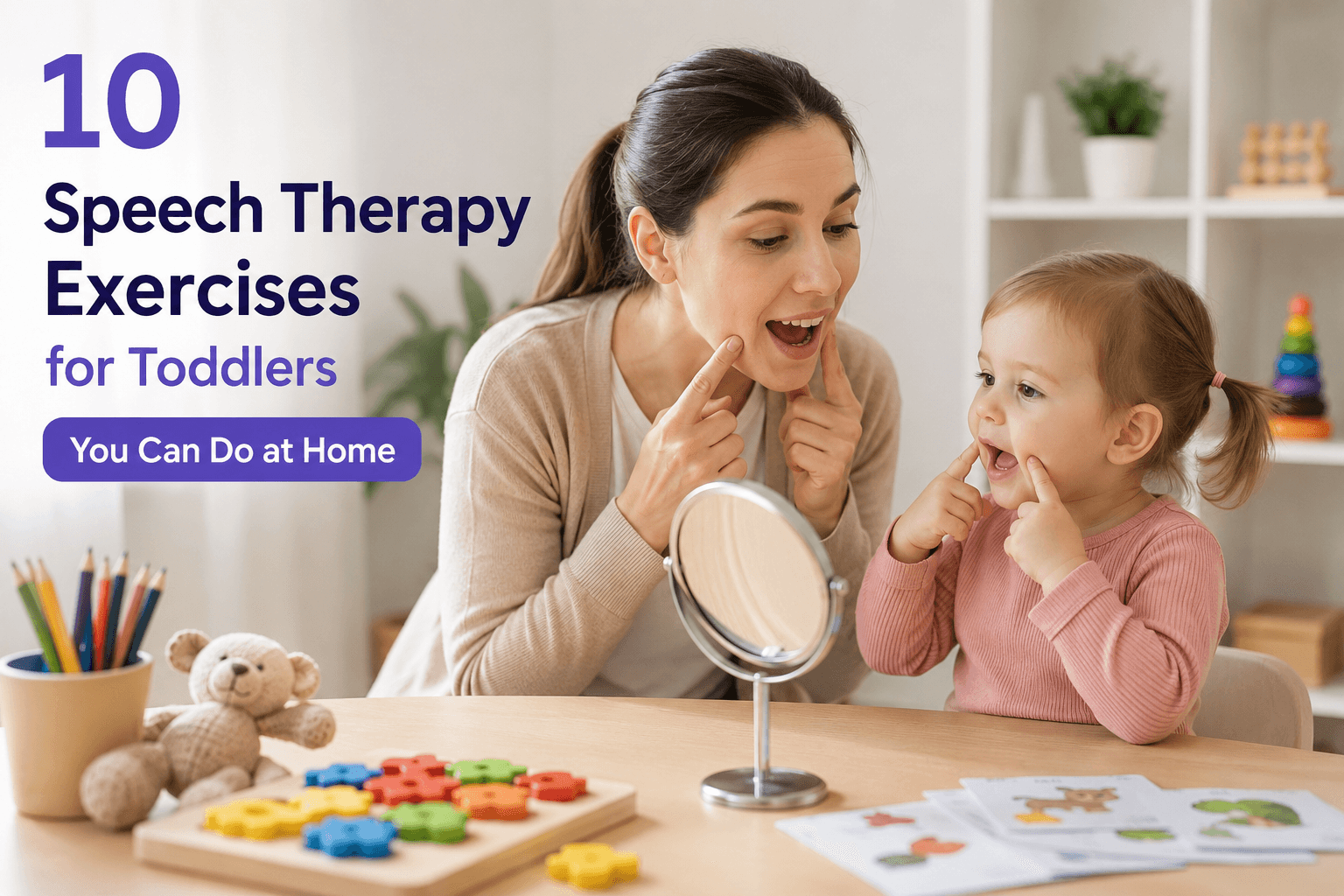
10 speech exercises at home
For ages 1–5
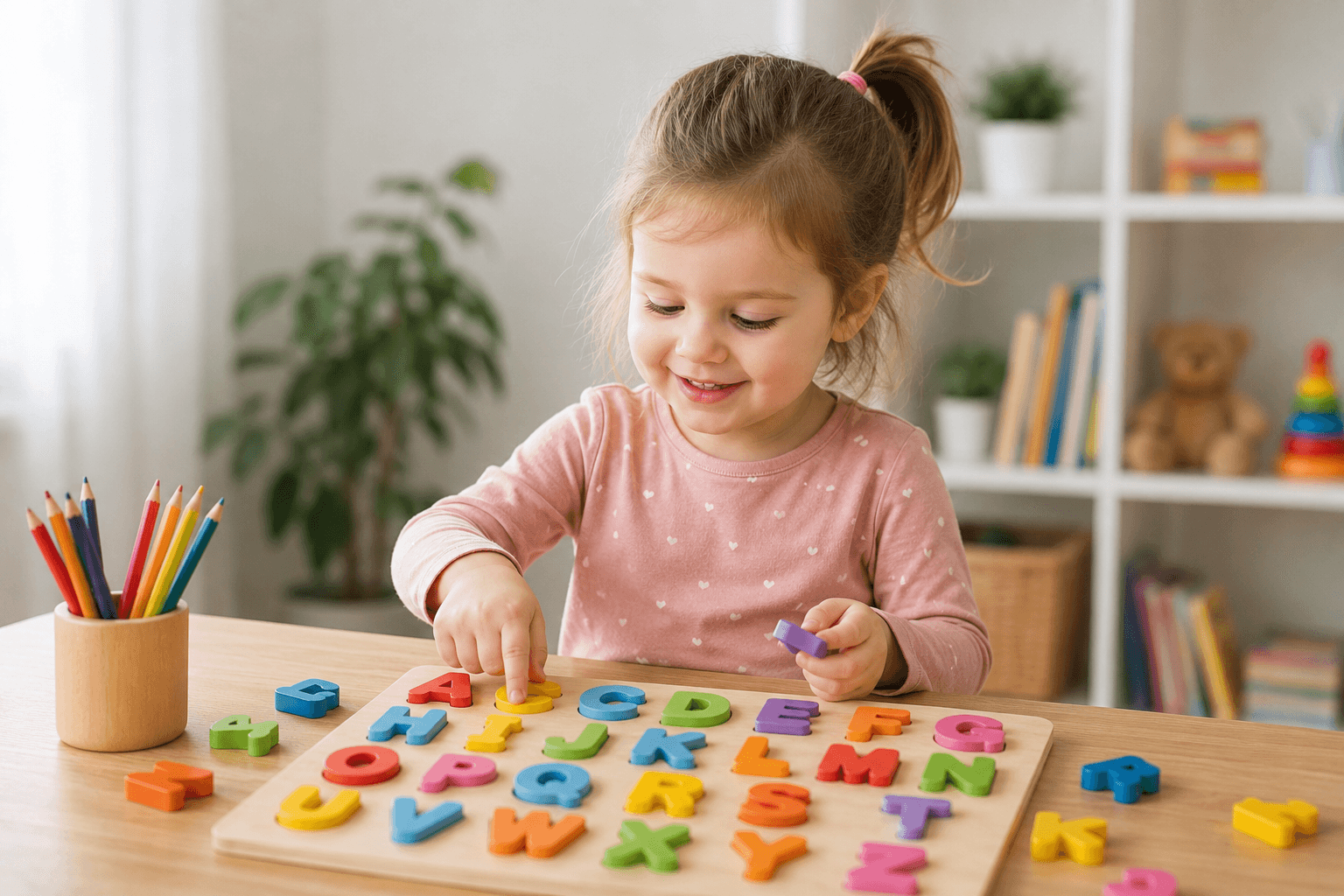
How to teach the alphabet
7 methods that work
Signs of autism under 2
Early detection checklist

Best educational apps 2024
Tested by parents