How to Teach a Toddler the Alphabet: 7 Fun Methods That Actually Work
When should you start teaching the alphabet?
There is no single right age — but here is a useful framework:
Letter sounds vs letter names
Research consistently shows that teaching letter sounds first produces better reading outcomes than teaching letter names. Knowing that B says buh is far more useful for learning to read than knowing it is called bee. Both matter — but sounds come first.
7 methods that work
A child's own name is the most motivating, emotionally significant word in their world. Starting there turns abstract letters into something personal and powerful. Research shows children recognise the letters in their name weeks or months before they recognise other letters.
How to do it
Write your child's name on paper and point to each letter as you say it. Get letter stickers with their name on their water bottle, lunchbox, or bedroom door. Use magnetic letters on the fridge to spell their name every morning. Let them trace the letters with their finger.
The traditional ABC song is memorised as a melody, not as 26 distinct letters. Most children who can sing it fluently cannot identify individual letters because they have never heard them separately. A small change in how you sing it makes a huge difference.
How to do it
Sing the alphabet song slowly, pausing slightly between each letter. Point to each letter on a chart or fridge magnets as you sing. Once they know it well, stop before a letter and let them fill it in: "A B C D E F ___ !" Also try singing only the first half, or singing backwards from Z — this forces them to actually think about individual letters.
Introducing one letter at a time — surrounded by objects, foods, and activities starting with that letter — builds deep, contextual knowledge rather than shallow recognition. This is the approach used in most Montessori and play-based kindergartens worldwide.
How to do it
Choose a letter on Monday. Throughout the week: find objects at home starting with that letter, eat food starting with that letter (B week: bananas, beans, bread), draw something starting with that letter, go on a "letter hunt" on your walk. End the week by having your child teach the letter to a toy or pet.
Forming letters with the body — through touch, movement, and physical sensation — creates much stronger memory traces than looking at letters alone. This is why Montessori uses sandpaper letters, and why many occupational therapists recommend sky-writing for children learning to write.
How to do it
Options: trace letters in a tray of sand, salt, or rice · draw letters in shaving foam · form letters from play-dough · trace large letters on their back and have them guess · sky-write letters in the air using the whole arm · stamp letters into clay. Always say the letter sound as you form it: "S says sssss — feel how it slithers?"
Games create the emotional engagement that turns short-term exposure into long-term memory. When a child is laughing, competing, or curious, their brain releases dopamine — which dramatically improves information retention. This is why children who play alphabet games consistently outperform those who use worksheets.
How to do it
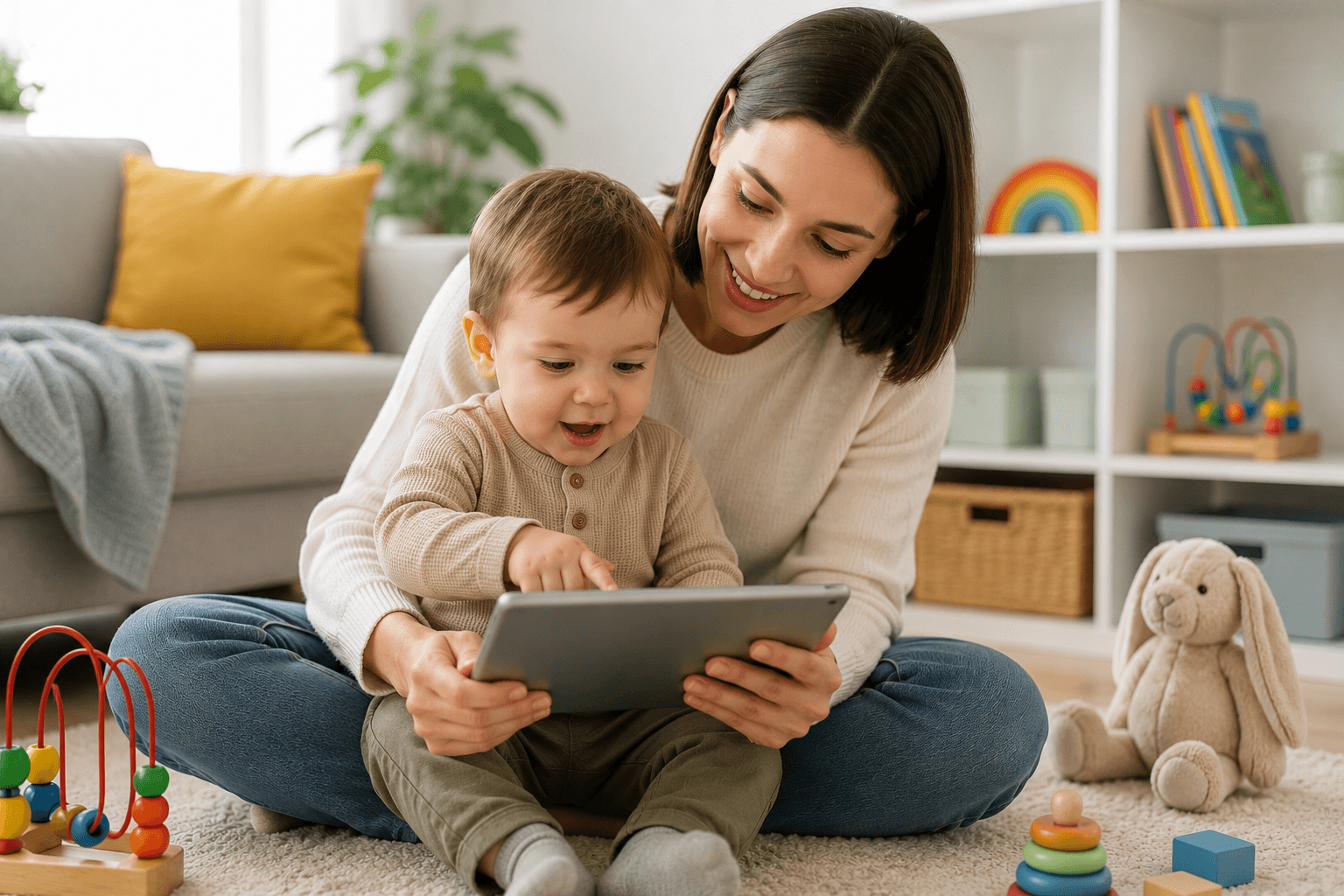
Letter hunt: hide foam letters around the house and hunt for a specific one. Alphabet snap: match uppercase to lowercase cards. Beginning sound sorting: sort toy animals or objects by their starting sound. Letter bingo: call letters, children cover them on their board. Online alphabet games with sounds and pictures — like the free alphabet game in MIO.
Children are surrounded by letters all day — on cereal boxes, street signs, shop fronts, and car number plates. Pointing these out casually connects letters to the real world and shows children that reading is everywhere, not just in school.
How to do it
In the supermarket: "Look — that says MILK. What letter does it start with?" On a walk: "I spy a letter S on that sign!" At breakfast: "Can you find any letters on the cereal box?" Make it a game, not a test. Celebrate any correct identification enthusiastically.
A personalised alphabet book — made together with your child — is more engaging than any published book because it features things they already love. The act of creating it also reinforces the learning far more deeply than passive reading.
How to do it
Take 26 sheets of paper and write one letter on each. Together, find pictures from magazines, draw pictures, or print photos of things your child loves that start with each letter. Let your child stick the pictures and decorate each page. Read it together regularly — it becomes a treasured possession.
MIO — Speech games for kids
Developed with certified speech therapists, MIO turns tongue exercises, sound recognition, and word repetition into fun interactive games for children aged 1–7.
Download on App Store5 common mistakes parents make
The golden rule
The best method is the one your child enjoys. If they love water play, trace letters in a water tray. If they love cooking, find letters on food packaging. If they love animals, use the animal sounds game. Interest drives attention, and attention drives learning — every time.
Frequently asked questions
More from the MIO blog
Child not talking at 2
Signs, causes & exercises
10 speech exercises at home
For ages 1–5
Signs of autism under 2
Early detection checklist
Best educational apps 2024
Tested by parents